Living in Chula Vista: What It's Actually Like
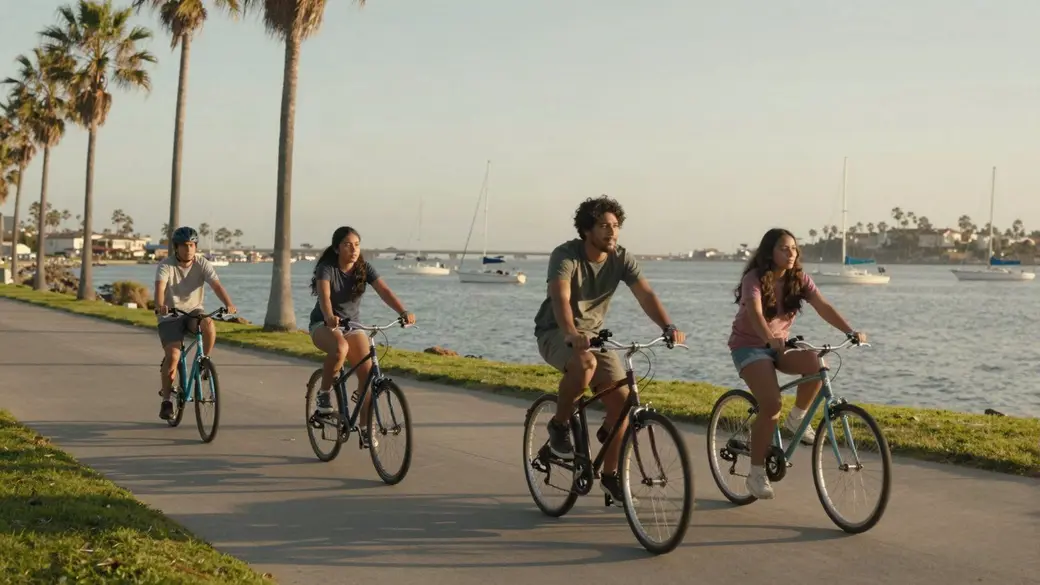
It's 7:40 on a Saturday morning on the Chula Vista Bayfront. A family of four rolls past on bikes, the youngest pedaling hard to keep up. Two women in visors are power-walking toward Bayside Park, deep in a conversation about somebody's mother-in-law. Behind them, the Gaylord Pacific rises over the marina like it was dropped there from another city. Ten years ago, this stretch was empty lots and a power plant.
Drive fifteen minutes east and it's a different morning entirely. In Otay Ranch, garage doors are rolling up, soccer bags are going into SUVs, and the line at the coffee shop is already out the door.
We get asked "what's Chula Vista like?" almost every week, and the honest answer is: which one? It's the second-largest city in San Diego County, and where you land changes almost everything about your day. We've been selling homes here for more than 30 years, and our office is right here in town. This is the version of the answer we give our own friends.
West of the 805: the Chula Vista people grew up in
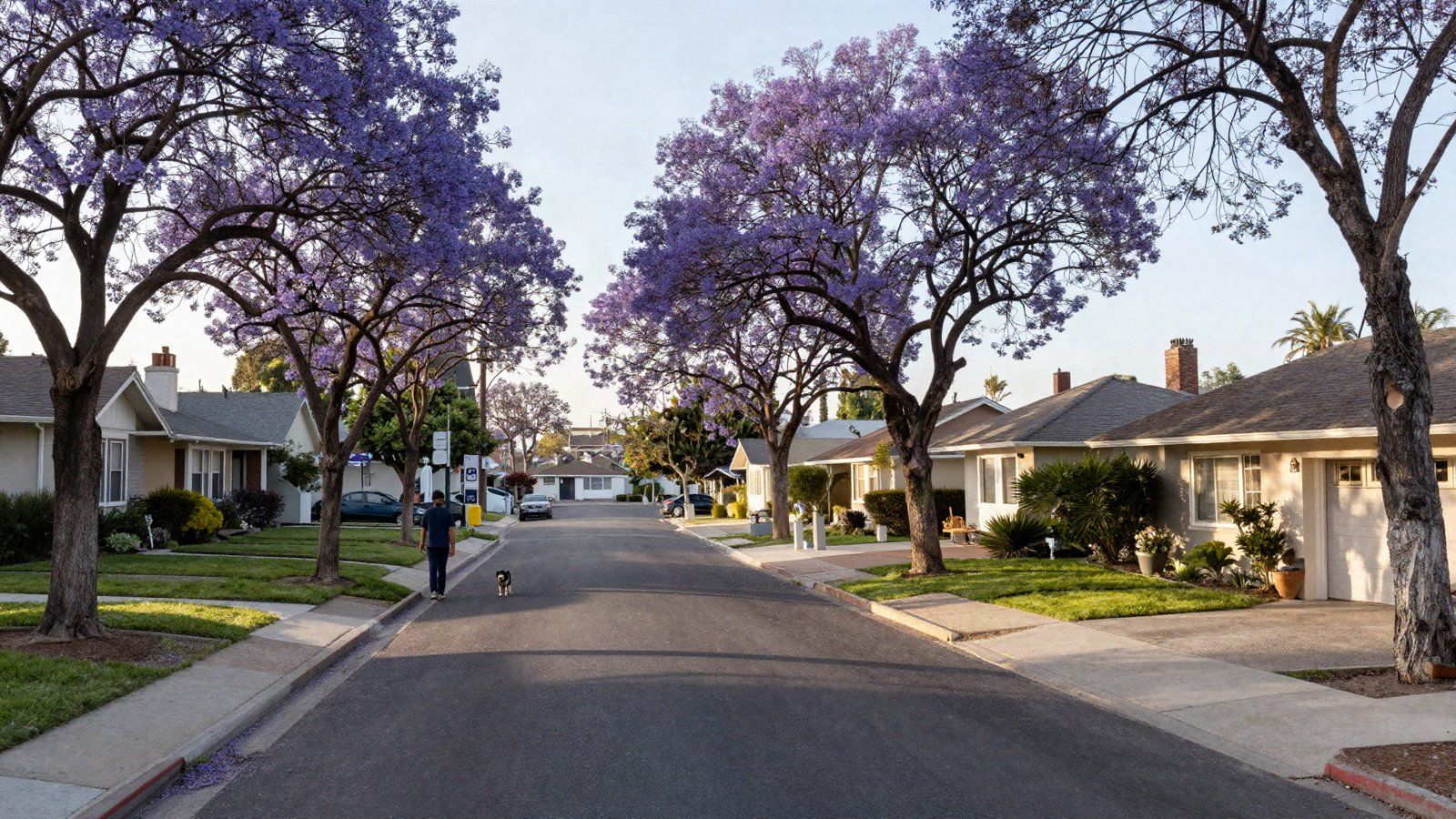
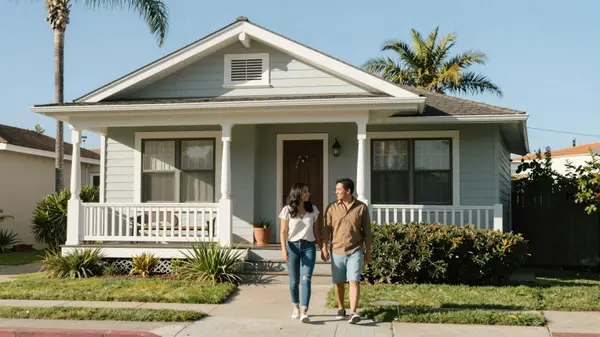
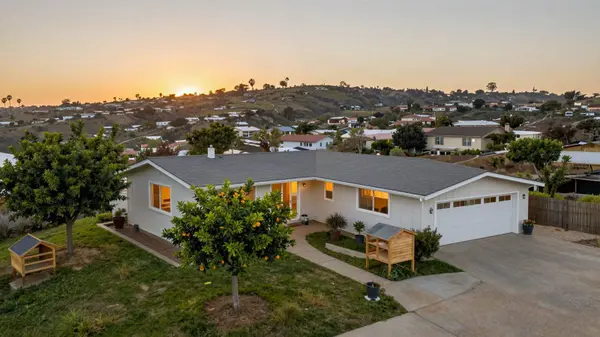
West Chula Vista is the older side of town. Hilltop and Castle Park have big jacarandas, single-story homes from the 1950s and 60s, and backyards with room for a lemon tree and a trampoline. Neighbors know each other. Some of them have lived on the same block for forty years.
Third Avenue Village is the heart of it: a few walkable blocks of local restaurants, coffee shops and breweries. It's where the Lemon Festival happens, a nod to the days when Chula Vista called itself the Lemon Capital of the World.
This side is closer to the I-5, the trolley and downtown San Diego. It's also where the homes are more likely to need a new kitchen, a new roof, or both. Buyers who love it usually love it for the character and the commute, and budget for the updates.
The bayfront is rewriting the west side
The Gaylord Pacific Resort & Convention Center opened in May 2025 with 1,600 rooms, a water park and 12 restaurants and bars. It's the first big piece of a much larger plan for the waterfront. H Street now runs all the way to Bayside Park, and the Port is expanding the parkland along the bay.
What that means for you as a homeowner: more places to eat, more jobs and more reasons to stay local on a Friday night. It also means more traffic near the water on convention weekends. If you're looking at a home near H Street or E Street, drive it on a Saturday before you write an offer. We say this to every buyer, and every buyer is glad they did.
East of the 805: newer homes, newer questions
Eastlake, Otay Ranch and Rolling Hills Ranch were built from the 1990s on as master-planned communities. Think wide streets, parks every few blocks, walking trails, and homes where the biggest renovation decision is what color to paint the accent wall. Otay Ranch Town Center covers your shopping, and Eastlake has its own village center by the lake.
Here's the part nobody puts in the listing. Many of these homes carry HOA dues, and many also carry Mello-Roos, a special tax that paid for the community's roads, schools and parks. Mello-Roos can add hundreds of dollars a month to your payment, and it doesn't show up in the price. We've watched buyers fall in love with an Eastlake home and then go quiet when they saw the full monthly number. Ask for the exact amount before you write an offer, every time.
Getting around
Chula Vista is a driving city. The I-5, I-805 and the SR-125 toll road all run north and south. Downtown San Diego is roughly 15 to 25 minutes from the west side outside rush hour, and longer from Eastlake.
If you'd rather skip the freeway, the Blue Line trolley stops at E Street, H Street and Palomar Street. Living within walking distance of one of those stations is a quiet superpower for downtown commuters.
One more thing to check: parts of the east side sit under flight paths for Brown Field, and homes near the freeways hear traffic. Visit at 7 a.m. and 6 p.m. before you commit.
So, is Chula Vista right for you?
It is if you want more space for your money than you'd get closer to downtown, and you're fine driving most places. Buyers who want newer construction and community amenities tend to look east. Buyers who want character, bigger lots and a shorter commute tend to look west.
Neither side is the "right" one. The right one is the one whose tradeoffs you can live with on a Tuesday, not just on a Saturday.
Thinking about Chula Vista?
If you're weighing east versus west, or trying to figure out what a specific home will actually cost you each month, call us. We'll pull the real numbers, including the ones that aren't in the listing. You can also check recent prices on our Chula Vista market report.
Talk to Team RatcliffeTeam Ratcliffe | Coldwell Banker West
Pamela Ratcliffe, CA DRE #01152227 (619) 981-5606 · pam@teamratcliffe.com
Categories
Recent Posts


GET MORE INFORMATION